
Planning meals around pantry staples is a smart way to streamline your cooking routine, save money, and reduce food waste. Whether you have a fully stocked pantry or just a few basic ingredients, knowing how to make the most of these items can simplify your weekly meal prep and inspire creative, tasty dishes.
In this post, we’ll explore how to organize your pantry, identify versatile staples, and build meal ideas that use what you already have at home. Let’s dive in!
Why Plan Meals from Pantry Staples?
Pantry staples are non-perishable items like dry grains, canned goods, spices, and oils that form the backbone of many meals. Planning meals around them offers several benefits:
– Convenience: Less frequent shopping trips and fewer last-minute runs to the store
– Budget-friendly: Using what you have minimizes waste and helps control food costs
– Flexibility: A well-stocked pantry lets you adapt meals based on what’s available
– Reduced Food Waste: Using pantry staples before expiration decreases throwing away food
Step 1: Organize and Take Stock of Your Pantry
Before planning, start by organizing your pantry so you know exactly what’s on hand.
Tips for Organizing Your Pantry
– Clear out expired or unwanted items: Remove anything past the expiration date or you no longer use.
– Group similar items: Keep canned goods, grains, baking supplies, and spices together for easy access.
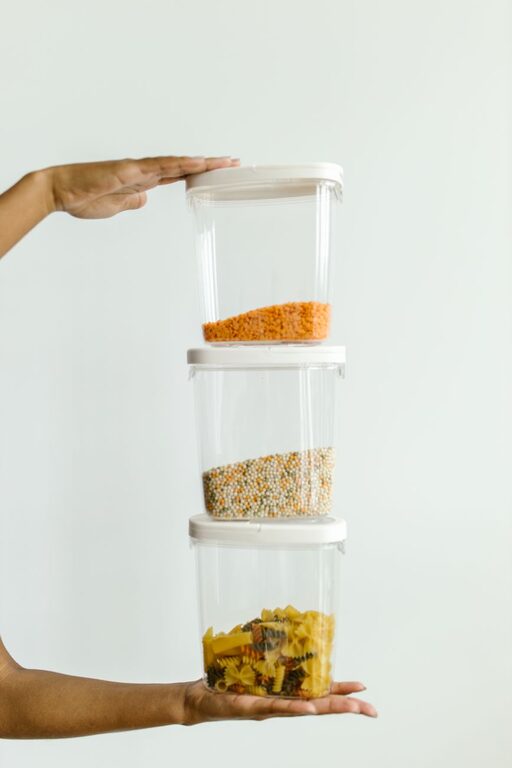
– Use clear containers: Transfer items like rice, pasta, and flour into labeled, airtight containers to keep them fresh and visible.
– Keep a running inventory: Either on paper or an app, track what you have so you can plan meals accordingly.
Step 2: Identify Your Key Pantry Staples
Having a list of versatile pantry staples helps in meal planning. Here are some common staples you might find useful:
– Grains and pasta: rice, quinoa, oats, pasta varieties
– Canned goods: beans (black beans, chickpeas, kidney beans), tomatoes (diced, crushed, paste), corn, tuna
– Baking essentials: flour, sugar, baking powder, baking soda, yeast
– Oils and vinegars: olive oil, vegetable oil, apple cider vinegar, balsamic vinegar
– Spices and herbs: salt, pepper, garlic powder, paprika, cumin, dried oregano, chili flakes
– Broths and sauces: chicken or vegetable broth, soy sauce, hot sauce
– Other basics: peanut butter, honey, nuts, dried fruits
These staples can be combined with fresh or frozen produce for balanced, flavorful meals.
Step 3: Create Meal Ideas Using Pantry Staples
Now that you have an organized pantry and a list of staples, try these ideas for breakfast, lunch, and dinner based on pantry ingredients.
Breakfast Ideas
– Overnight oats: Use oats, milk (or a milk alternative), honey, nuts, and dried fruit for a quick, nutritious start.
– Pancakes: Flour, baking powder, sugar, and eggs can be combined to make pancakes. Add canned fruit or peanut butter for topping.
– Breakfast burrito: Use canned beans, spices, canned corn, and tortillas (if stocked) for a filling wrap.
Lunch Ideas
– Chickpea salad: Mix canned chickpeas, olive oil, vinegar, salt, and spices. Add any fresh veggies you have on hand.
– Tuna pasta: Combine canned tuna, pasta, olive oil, garlic powder, and canned tomatoes for an easy pasta dish.
– Vegetable soup: Use broth, canned tomatoes, canned beans, and spices for a warming soup. Add frozen or fresh vegetables too.
Dinner Ideas
– Rice bowls: Cook rice and top with canned beans, sautéed canned or fresh vegetables, and a drizzle of soy sauce or hot sauce.
– Chili: Combine canned beans, canned tomatoes, chili powder, cumin, and garlic powder for a hearty chili. Serve with rice or bread.
– Stir-fry: Use pasta or rice, canned vegetables, and sauces like soy or hot sauce to whip up a quick stir-fry.
Step 4: Mix in Fresh or Frozen Ingredients
While pantry staples are the foundation, adding fresh or frozen vegetables, fruits, and proteins can elevate your meals.
– Visit your freezer section to keep frozen vegetables or meat that last longer and complement pantry items.
– Fresh produce like onions, garlic, or seasonal vegetables can add flavor and nutrition.
– Eggs and cheese can also be pantry-adjacent staples that last reasonably long.
Step 5: Plan and Prep Ahead
To make meals even easier during busy days, plan your weekly meals around pantry staples and prep ahead:
– Batch cook grains: Prepare rice, quinoa, or pasta in advance and store in the fridge.
– Make sauces and dressings: Whip up simple sauces using pantry ingredients that can be refrigerated.
– Pre-chop veggies: If using fresh produce, chop in advance so they’re ready to cook.
Having a plan reduces mealtime stress and ensures your pantry staples don’t sit unused.
Bonus Tips for Success
– Try new recipes: Explore new ways to use the same ingredients to avoid monotony.
– Rotate pantry items: Use older products first and replenish your stocking regularly.
– Keep a favorites list: Save easy, tasty recipes using pantry items for quick reference.
– Adapt recipes: Swap ingredients based on what you have available to stay flexible.
Final Thoughts
Meal planning from pantry staples is practical, budget-friendly, and resourceful. With some organization and creativity, your pantry can become a treasure trove of meal possibilities. By combining pantry staples with fresh or frozen ingredients, you can prepare a variety of delicious meals without frequent grocery runs. Start today by taking inventory, planning meals ahead, and experimenting with your pantry staples to make cooking simpler and more enjoyable. Happy cooking!