
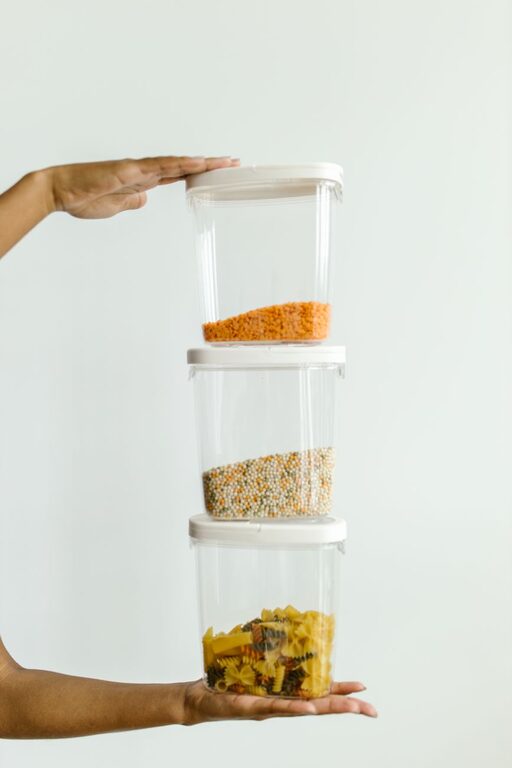
When it comes to preparing meals, having a well-stocked pantry can be a real lifesaver. Whether you’re aiming to save money, reduce food waste, or simply want to whip up meals quickly without a last-minute trip to the store, planning meals from pantry staples is a practical strategy. In this guide, we’ll explore how to make the most of your pantry ingredients and create flavorful meals with what you already have on hand.
What Are Pantry Staples?
Pantry staples are non-perishable, long-lasting food items that are often kept in your kitchen for everyday cooking. These include dried goods, canned foods, spices, and other essentials that can be the foundation of many meals.
Common Pantry Staples:
– Grains: Rice, pasta, quinoa, oats, couscous
– Legumes: Lentils, beans (black, kidney, chickpeas)
– Canned goods: Tomatoes, tuna, corn, coconut milk
– Baking essentials: Flour, sugar, baking soda, baking powder
– Oils and vinegars: Olive oil, vegetable oil, apple cider vinegar
– Spices and herbs: Salt, pepper, garlic powder, chili flakes, dried basil
– Other: Broth or stock cubes, nut butters, canned fruits
Step 1: Take an Inventory of Your Pantry
Before planning meals, it’s important to know exactly what you have. Set aside time to go through your pantry shelves and write down everything available. Organize items by category (e.g., grains, canned goods) to get an overview.
Tips for Effective Pantry Inventory:
– Check expiry dates and rotate older items to the front.
– Note any staples you’re running low on.
– Pay attention to versatile ingredients that can be used in multiple dishes.
Step 2: Choose Meals Around What You Have
Once you know your pantry contents, you can start thinking about meals. Focus on recipes where your pantry staples can be the base, and add fresh or frozen ingredients, like vegetables or proteins, when possible.
Simple Meal Ideas Using Pantry Staples:
– Pasta with tomato sauce: Use canned tomatoes, pasta, and seasonings.
– Rice and beans: Combine rice, canned beans, and spices for a hearty bowl.
– Lentil soup: Use dried lentils, broth cubes, and canned tomatoes.
– Tuna salad: Mix canned tuna with canned corn, beans, and a simple dressing.
– Stir-fry with rice: Use rice, soy sauce (if available), canned vegetables, and seasoning.
Step 3: Plan Your Weekly Menu
Meal planning helps avoid last-minute decisions and reduces food waste. Consider your inventory, your schedule, and your taste preferences to map out meals for the week.
How to Start Your Menu:
- Select 3–5 main dishes that prominently feature pantry staples.
- Think about leftovers that can be repurposed to save time.
- Incorporate fresh or frozen items to balance nutrition.
- Schedule meals according to days when you have more or less time to cook.
Example Weekly Plan:
– Monday: Chickpea curry with rice (canned chickpeas, canned tomatoes, spices)
– Tuesday: Pasta with olive oil, garlic, and canned tomatoes
– Wednesday: Lentil soup with leftover bread
– Thursday: Tuna pasta salad with canned corn and beans
– Friday: Rice stir-fry with frozen vegetables
– Weekend: Use leftovers or fresh ingredients to keep it flexible
Step 4: Be Creative With Substitutions
Sometimes, you won’t have exactly what a recipe calls for. Pantry staples are great for swaps and improvisation.
Substitution Ideas:
– Use beans instead of meat for protein.
– Swap quinoa or couscous for rice or pasta.
– Replace fresh herbs with dried herbs or spices.
– Use canned coconut milk instead of cream for a dairy-free option.
Step 5: Prep Ahead to Save Time
If possible, prep some ingredients in advance. For example, soak dried beans overnight, cook grains in bulk, or chop fresh veggies to speed up cooking during busy weekdays.
Benefits of Meal Prep:
– Reduces cooking time.
– Helps maintain portion control.
– Makes it easier to stick to your meal plan.
Step 6: Store Leftovers and Extras Properly
Proper storage is key to maximizing your pantry staples and meal prep efforts. Use airtight containers to preserve cooked food and keep canned goods sealed tightly after opening.
Tips for Food Storage:
– Label and date leftovers before refrigerating.
– Freeze soups, stews, or cooked grains if not eaten within a few days.
– Keep dry goods in sealed containers to prevent pests.
Final Thoughts
Planning meals from pantry staples is a simple, flexible way to streamline your cooking while saving money and reducing waste. With a well-organized pantry and a bit of creativity, you can enjoy a variety of nutritious, tasty meals without needing a grocery haul every day.
Start by taking an inventory, then choose versatile meals that work with what you have. Remember, the goal is to keep your cooking enjoyable and stress-free. Happy meal planning!