
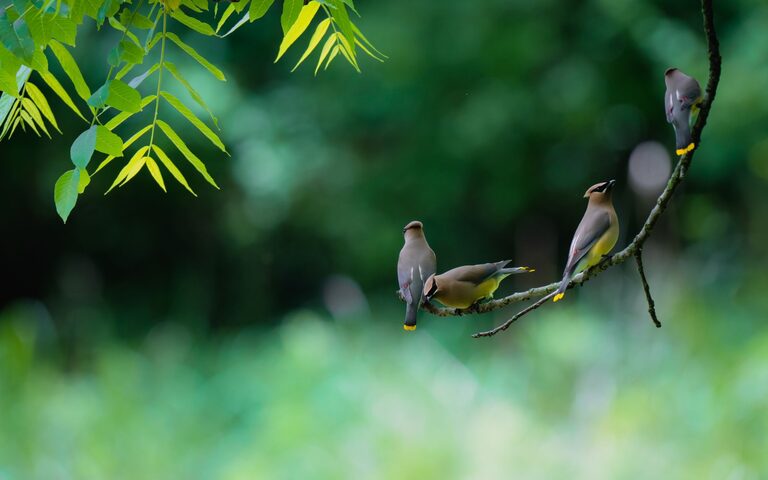
Birdwatching is a rewarding and peaceful hobby that anyone can enjoy, and your backyard is the perfect place to start. Whether you live in a bustling city or a quiet suburb, attracting and observing birds close to home is both relaxing and educational. If you’re new to birdwatching, this guide will help you get started with practical tips to make your backyard a welcoming haven for feathered friends.
Why Birdwatching in Your Backyard?
Birdwatching encourages mindfulness and a deeper appreciation for the wildlife around you. It requires minimal equipment and can be done anytime you have a moment to spare. Plus, it’s a fantastic way to connect with nature without traveling far from home.
Getting Started: Essential Tips for Beginners
1. Create a Bird-Friendly Space
Attracting birds begins with providing the essentials they need: food, water, and shelter.
– Food: Different birds prefer different foods. A good starting point is to offer black oil sunflower seeds, which attract many species. You can also try nyjer seeds for finches or suet for woodpeckers.
– Water: A birdbath or shallow dish with fresh water will entice birds to visit for drinking and bathing. Keep the water clean and change it every few days.
– Shelter: Plant native shrubs, trees, or install birdhouses to provide safe places for birds to rest and nest.
2. Choose the Right Feeders
Bird feeders come in various styles such as tube, hopper, platform, and suet feeders. Selecting the right type depends on the species you want to attract.
– Tube feeders: Great for small birds like finches and chickadees.
– Hopper feeders: Can hold larger quantities of seed and attract a variety of birds.
– Platform feeders: Open trays that attract ground feeders like sparrows and doves.
– Suet feeders: Ideal for woodpeckers and insect-eating birds.
Keep feeders clean to prevent disease and place them in safe, visible locations for easy watching.
3. Use a Field Guide or Bird Identification App
Learning to identify the birds you see adds to the enjoyment. Start with a simple field guide or download a bird identification app on your phone to help you recognize species by color, size, and song.
4. Watch Quietly and Patiently
Birds are easily startled, so it’s important to watch quietly from a distance. You might find a comfortable spot near a window or create a small outdoor hideaway for better viewing. Patience is key—sometimes you’ll need to wait a few minutes for birds to approach.
5. Keep a Birdwatching Journal
Recording your sightings, the species you observe, and the dates can be both fun and educational. It helps track what birds visit your yard throughout the year and notice seasonal changes.
Additional Tips to Enhance Your Experience
Plant Native Vegetation
Native plants are more likely to attract local bird species because they provide familiar food and habitat. Consider incorporating berry-producing bushes, seed-bearing flowers, and trees that offer shelter.
Avoid Chemicals and Pesticides
Using pesticides and herbicides can harm birds and reduce their natural food sources. Choose organic gardening practices to create a safe environment.
Provide Nesting Materials
During breeding season, birds look for soft materials like twigs, grass, or feathers to build nests. You can offer these by leaving natural debris in safe spots or by providing bundles of natural fibers.
Observe Seasonal Patterns
Bird species change with the seasons. Spring and fall migrations bring different visitors, so keep an eye out for new and exciting species during these times.
Common Backyard Birds to Look For
Depending on your region, common backyard birds include:
– Northern Cardinal
– American Robin
– Blue Jay
– Mourning Dove
– Chickadee
– House Finch
– Downy Woodpecker
– Dark-eyed Junco
Each bird has unique behaviors and songs, making identification more engaging.
Birdwatching Equipment for Beginners
You don’t need much to start birdwatching, but a few items can improve your experience:
– Binoculars: A lightweight pair with 8×42 magnification is ideal for beginners.
– Notebook or Bird Journal: For keeping notes and sketches.
– Bird Field Guide or App: Helps with identification.
– Camera: Optional, but a camera with a good zoom can capture special moments.
Enjoy the Benefits of Backyard Birdwatching
Birdwatching can reduce stress and bring a sense of wonder to everyday life. It encourages outdoor time, supports conservation awareness, and provides opportunities for family activities. Most importantly, it’s enjoyable for all ages and skill levels.
Final Thoughts
Starting backyard birdwatching is simple and rewarding. By providing birds with food, water, and shelter, learning to identify species, and observing patiently, you’ll quickly find joy in this timeless hobby. So grab your binoculars or just look out your window, and begin your birdwatching adventure today!