
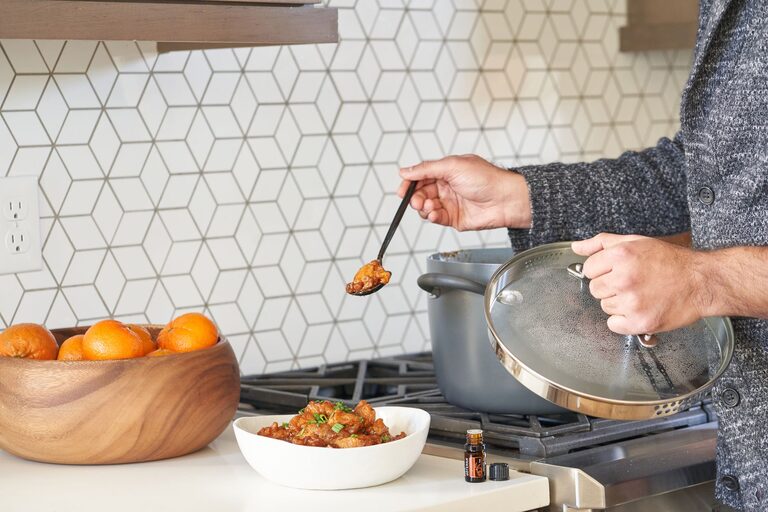
Using a slow cooker is one of the simplest ways to prepare delicious, home-cooked meals without spending hours in the kitchen. Ideal for busy lifestyles, slow cookers allow you to set your ingredients, turn them on, and come back to a flavorful dish ready to serve.
If you’re new to slow cooking, this guide will walk you through the basics, help you understand how to use your slow cooker effectively, and share tips to get the best results every time.
What Is a Slow Cooker?
A slow cooker, sometimes called a crockpot, is an electric appliance that cooks food at a low temperature over a long period. It usually has a ceramic pot inside a heating element and comes with different heat settings like low, high, and sometimes warm.
Because it cooks food slowly, tough cuts of meat become tender, and flavors develop deeply. It’s a great kitchen tool for soups, stews, casseroles, and even some desserts.
Benefits of Using a Slow Cooker
– Convenience: Prepare your ingredients in the morning or the night before, set the cooker, and go about your day.
– Energy Efficiency: Slow cookers use less electricity than an oven.
– Easy Cleanup: Most slow cooker inserts are removable and dishwasher safe.
– Tender, Flavorful Meals: Slow cooking helps break down tough fibers in meat and infuses flavors deeply.
– Great for Meal Prep: You can make large batches and store leftovers easily.
Getting Started: Essential Tips for Beginners
1. Choose the Right Size
Slow cookers come in various sizes, generally ranging from 1.5 to 8 quarts. A 4-6 quart slow cooker is suitable for most families and recipes.
2. Understand Heat Settings
– Low: Cooks food at a lower temperature for 6 to 10 hours.
– High: Cooks food faster, typically in 3 to 6 hours.
– Warm: Keeps food at serving temperature without further cooking.
When in doubt, start on low for tender results.
3. Fill It Properly
For best cooking results, fill your slow cooker between half and two-thirds full. Too little food can cause burning or drying out; too much can affect cooking time and safety.
4. Avoid Lifting the Lid
Every time you lift the lid, heat escapes, which can add 15-30 minutes to the cooking time. Resist the urge to check frequently.
5. Prep Ingredients Wisely
– Cut vegetables into uniform pieces to ensure even cooking.
– Brown meat on the stove before adding it to the slow cooker to add flavor (optional).
– Avoid adding dairy early in cooking, as it can curdle; add it near the end if the recipe calls for it.
6. Use Enough Liquid
Slow cookers require some liquid to generate steam and cook food properly. Check your recipe for liquid amounts and adjust if needed.
Common Slow Cooker Recipes for Beginners
Hearty Beef Stew
– Ingredients: beef chunks, carrots, potatoes, onions, beef broth, garlic, herbs
– Cook on low for 8 hours for tender meat and flavorful broth.
Chicken and Vegetable Soup
– Ingredients: chicken breasts, mixed vegetables, chicken stock, herbs
– Cook on high for 4 hours or low for 7-8 hours.
Vegetarian Chili
– Ingredients: beans, tomatoes, bell peppers, onions, spices
– Cook on low for 6-8 hours or high for 3-4 hours.
Tips for Adjusting Recipes
– Reduce or omit salt at the start; flavors concentrate during slow cooking.
– Use dried herbs over fresh, which can lose flavor in long cooking times.
– Add quick-cooking foods like peas or fresh herbs toward the end.
Cleaning and Maintenance
– Let the insert cool before washing.
– Most inserts and lids are dishwasher safe, but check your manufacturer’s instructions.
– Wipe the exterior base with a damp cloth; never submerge it in water.
– Regularly inspect the cord and plug for damage.
Safety Tips to Keep in Mind
– Use slow cookers on stable, heat-resistant surfaces.
– Plug the appliance directly into a wall outlet, avoiding extension cords.
– Avoid overfilling to reduce spill risks.
– Refrigerate leftovers promptly and reheat thoroughly.
Conclusion
A slow cooker is a fantastic tool that can help anyone prepare tasty, healthy meals with minimal effort. By following this beginner guide, you’ll gain confidence in using your slow cooker, find new favorite recipes, and enjoy stress-free cooking that fits your schedule.
Give it a try—you might be surprised how easy and rewarding slow cooking can be!